
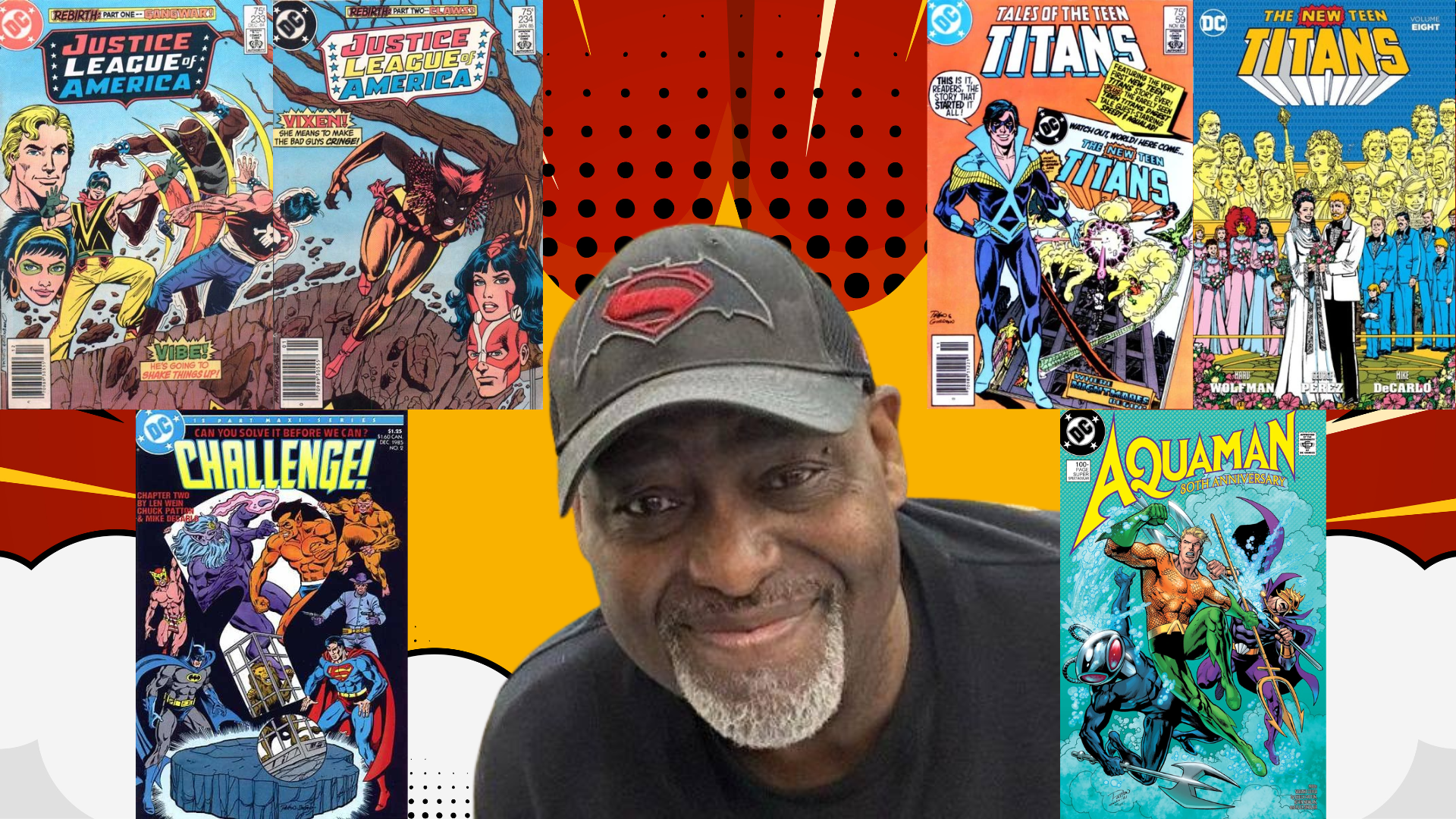
One of the best parts of running this interview series is realizing how many of my childhood heroes had the same person quietly behind the curtain. Sometimes I meet these creators at conventions. Sometimes I fall down a Wikipedia rabbit hole at 1 a.m. and there they are. And sometimes, like with Chuck Patton, all it takes is a random Instagram DM.
I knew Chuck as the guy behind Justice League and The New Teen Titans, and as the director of Dead Space: Downfall, still one of my favorite video game adaptations ever made. Then I actually read his full résumé: Spawn, Batman: The Brave and the Bold, Teen Titans, TMNT, Captain Planet, and realized half my childhood had his fingerprints on it and I never even knew.
I went in expecting stories about comics and animation legends. I got that. What I didn’t expect was how often Chuck steered the conversation away from the work and back to the people (Dick Giordano, Marv Wolfman and George Pérez, Todd McFarlane, Gerry Conway) who helped him get there. By the end, it was obvious: the résumé is impressive, but the relationships are what he’s actually proud of.
Q&A WITH CHUCK PATTON
“Comics Were Always the Dream”
Matthew: Before animation became part of your career, who inspired you to become an artist?
Chuck Patton: I had a lot of influences: guys like Russ Heath, Joe Kubert, Russ Manning, Jack Kirby, John Buscema, Steve Ditko, Gil Kane, John Romita, Neal Adams, Dick Giordano. I looked at everybody and got something from them, but I always gravitated toward the strong draftsmen, guys who could really draw.
Comics were always the dream. I drew all my life. We had comics around the house all the time. My parents read them, my sisters read them. I guess my dad was the only one who didn’t, but he’d listen to everybody talk about the books they were reading, and he showed me other things: he was into movies and television, so that’s who trained me that way.
Animation, as much as I liked it, I never really knew much about. Even as a kid I had the sense it was a tremendous amount of work. And as I found out later, I was absolutely right. I never trained as an animator. I learned it all on the job. It’s kind of strange. I’ll never call myself an animator, but I have worked in animation. On-the-job training, that’s what it was.
Breaking Into DC Comics
Matthew: What did it take to land your first assignment?
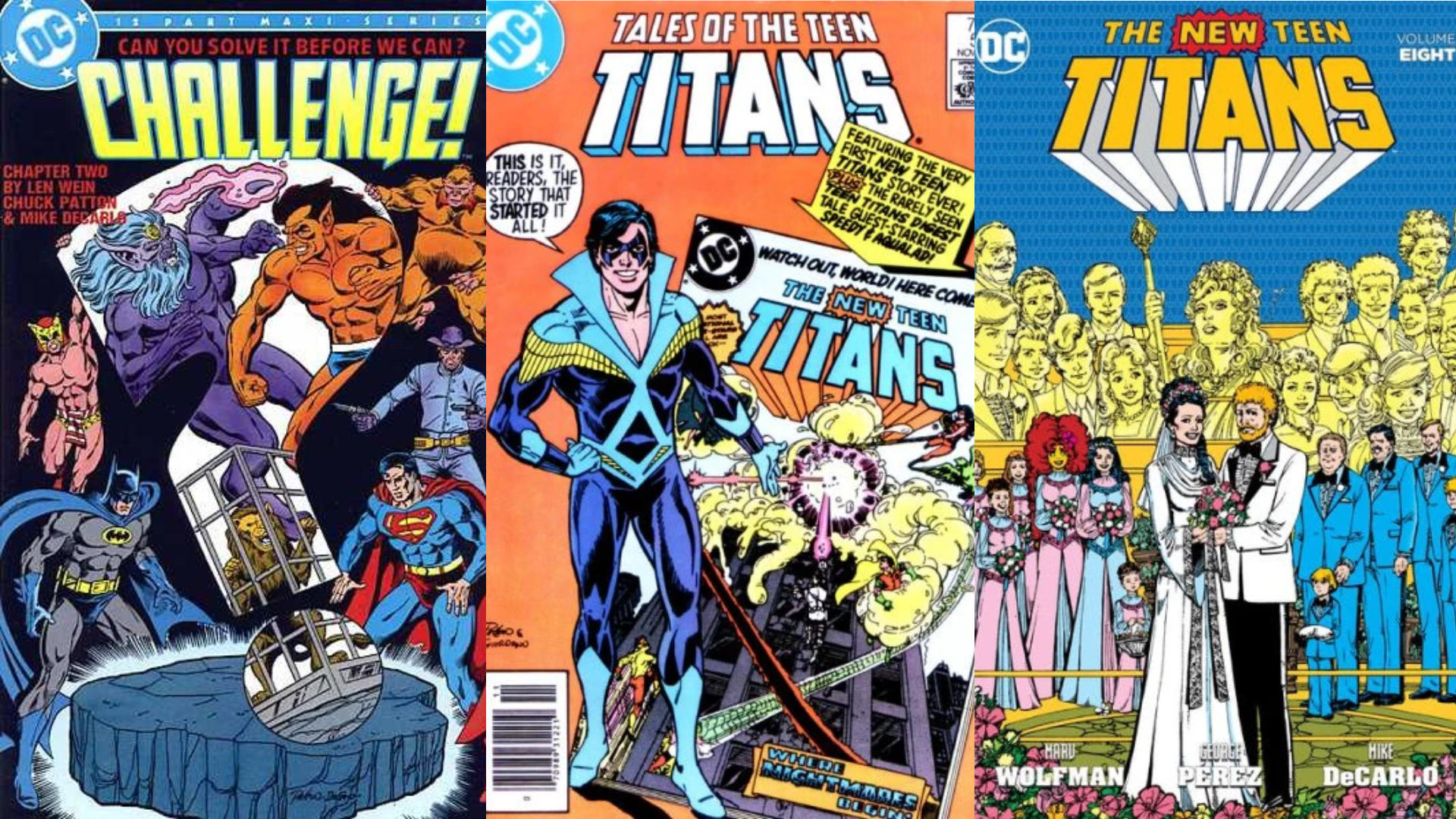
Chuck Patton: Dick Giordano started something called the New Talent Showcase. He brought in young artists and trained us on the spot, classes once a week, and if you did well, you got a real working assignment from DC.
Getting there wasn’t easy. I grew up in Detroit, and I met Keith Pollard, another big influence of mine, a Marvel artist who drew Fantastic Four and Thor. He was the one who told me I needed to get out of Detroit and move to New York.
I knew no one in New York. Long story short, I made it to Boston, which I figured was close enough. I applied to the New Talent program there, Dick accepted me, and I had six months before the first class started.
I next moved to NYC & flopped at people’s houses I’d met, got a job, became somebody’s roommate, went to class every week, and honestly thought there was no way in hell I was ever going to get an assignment. I think it was about six months later that I got my first one.
A Lesson I’ll Never Forget
Matthew: Was there a moment early in your career that stayed with you?
Chuck Patton: My first assignment came because the artist on the book had died: Gene Day, a Canadian artist, very well known. He hadn’t gotten very far into it, so they needed someone new to take it over, and they chose me.
Dick brought me into a room with Marv Wolfman, Len Wein, and George Pérez. Here I was, a rookie, and they gave me the nod: welcome to the club. I had no idea I was even good enough to be there.
I’ve always felt two things about that moment. Gratitude, because they believed in me. And sadness, because another artist lost his life doing the work he loved.
Forty, fifty years later, I still look at that and remember: if you’re lucky enough to get an opportunity like that, you also have to remember the people who helped you along the way. I’ll never forget Marv and Len and George. Two of them have passed now. Marv’s still with us. Without them, I wouldn’t be where I am.
What Makes Someone a Professional
Matthew: What did those early years teach you?
Chuck Patton: There are people who are lucky. They’ve got it, they’ve got talent. But to really stay in this business, to do something with it, you’re gonna have to work. You have to learn.
I was always willing to do that, even when I thought my stuff was good, even when I thought it was bad. I had to learn to deliver. That’s what being a professional meant.
I watched how those guys worked. I asked them the same questions you’re asking me right now: how did you start, how’d you get here. And for the first time in my life, I felt like, wow, somebody knows me. They know who I am, they know what I’m fishing for. It became more than a club. It was more like a tribe. I was so grateful to be part of that.
Solving the Impossible
Matthew: Looking back, which project are you proudest of?
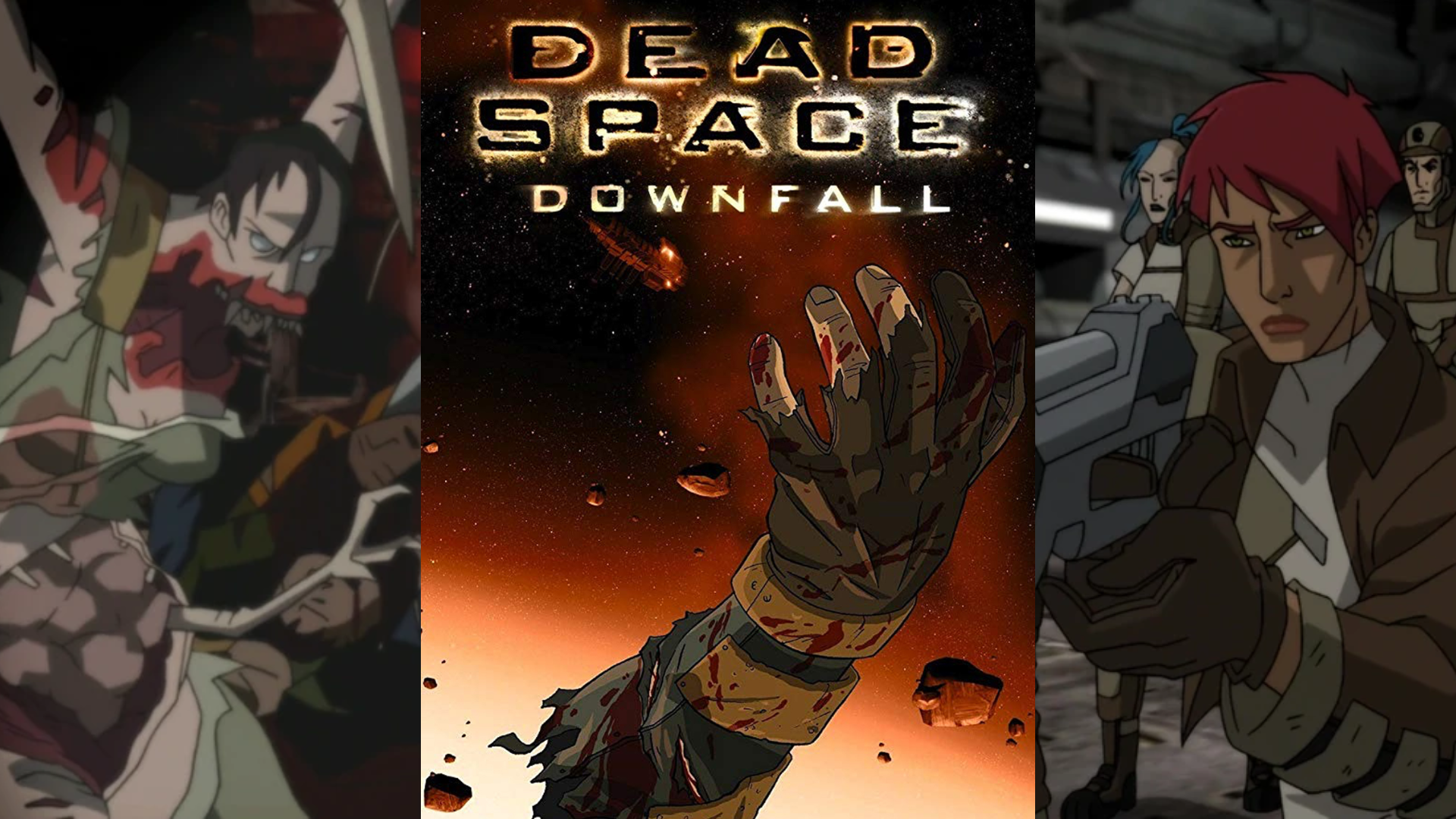
Chuck Patton: Dead Space.
Of everything I’ve done, that had the most problems to solve, and I was given complete carte blanche to solve them. The only thing taken away from us was time. I had to do that show in less time than most people get for that kind of money.
I ended up rewriting the script from scratch, because what we had wasn’t producible, and EA trusted me enough to let me do it. The whole studio rose to the occasion. I was happy as hell about it (trying to keep this PG, I tend to curse a lot), and to this day it’s still one of my proudest moments. We got it done, on time, despite every obstacle, and we came remarkably close to the vision I had going in.
Earning Todd McFarlane’s Trust
Matthew: You worked with Todd McFarlane on Spawn. What was that experience like?
Chuck Patton: Gratifying. Tough, but gratifying.
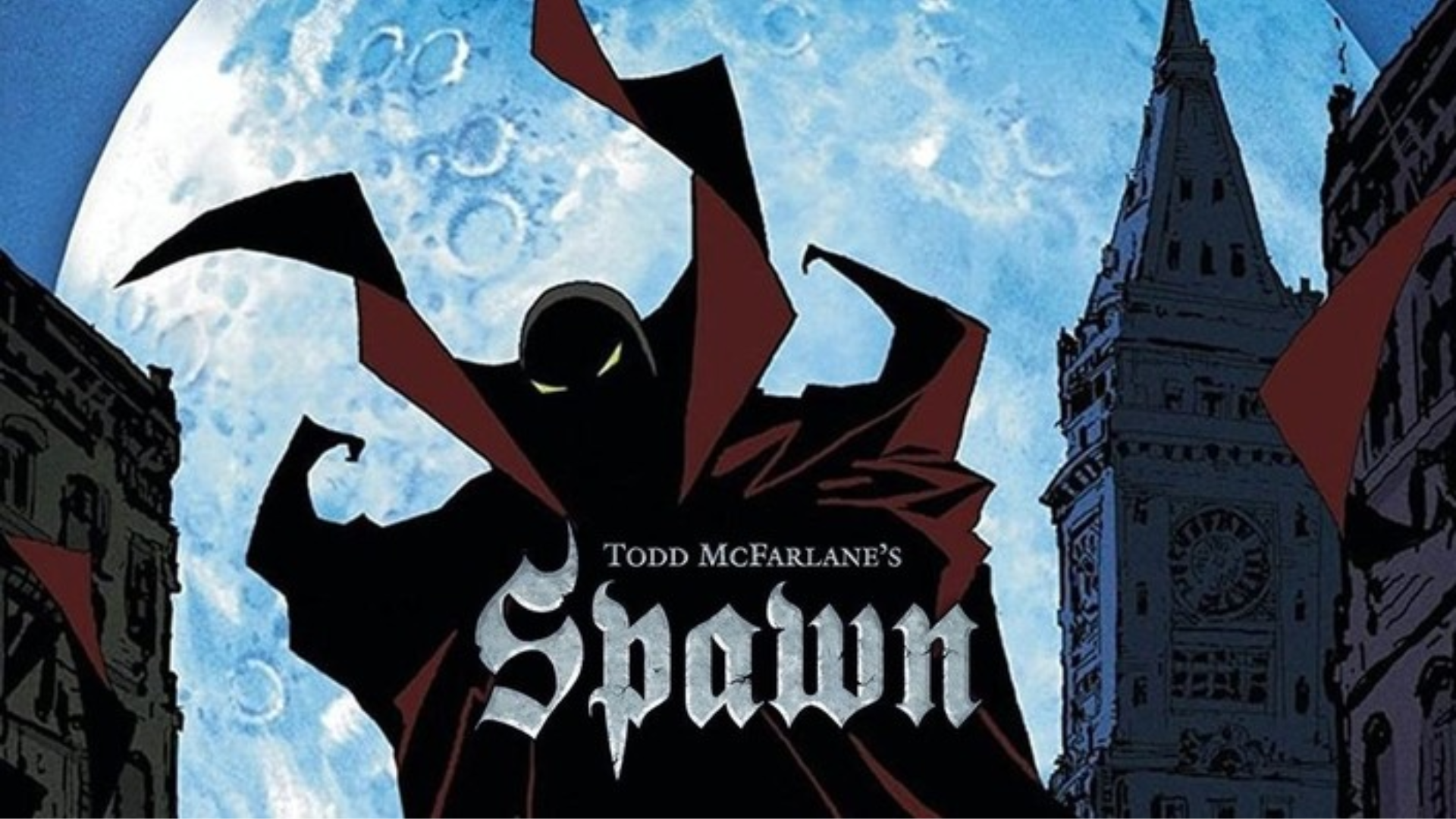
We got to do things other studios just weren’t doing at the time. We were making it for HBO, and HBO was incredibly supportive. And Todd trusted us. That’s the best compliment I can give him. He trusted us, he trusted me.
One of my biggest regrets is that fans never got to see another Spawn project we developed years later. We got all the way through pre-production: script written, storyboards done, voices recorded. Keith David was back as Spawn, and we had Mark Hamill, Clancy Brown, John Polito, a great actor who’d been in Miller’s Crossing. I kept telling Todd we needed more Spawn in it, and he’d say, “The show’s called Spawn, we need more Spawn.” We could only get Keith for one line, and he said, in that beautiful voice of his, “I’ll read the phone book if it’s Spawn.” So he came back and did it.
Then Todd got into litigation with the studio, and it just stopped. It’s still hard to think about, because of how much work everybody put into it, and I really believe people would have enjoyed it.
Wearing the Justice League Badge
Matthew: You spent years drawing the Justice League. Looking back now, what stands out?
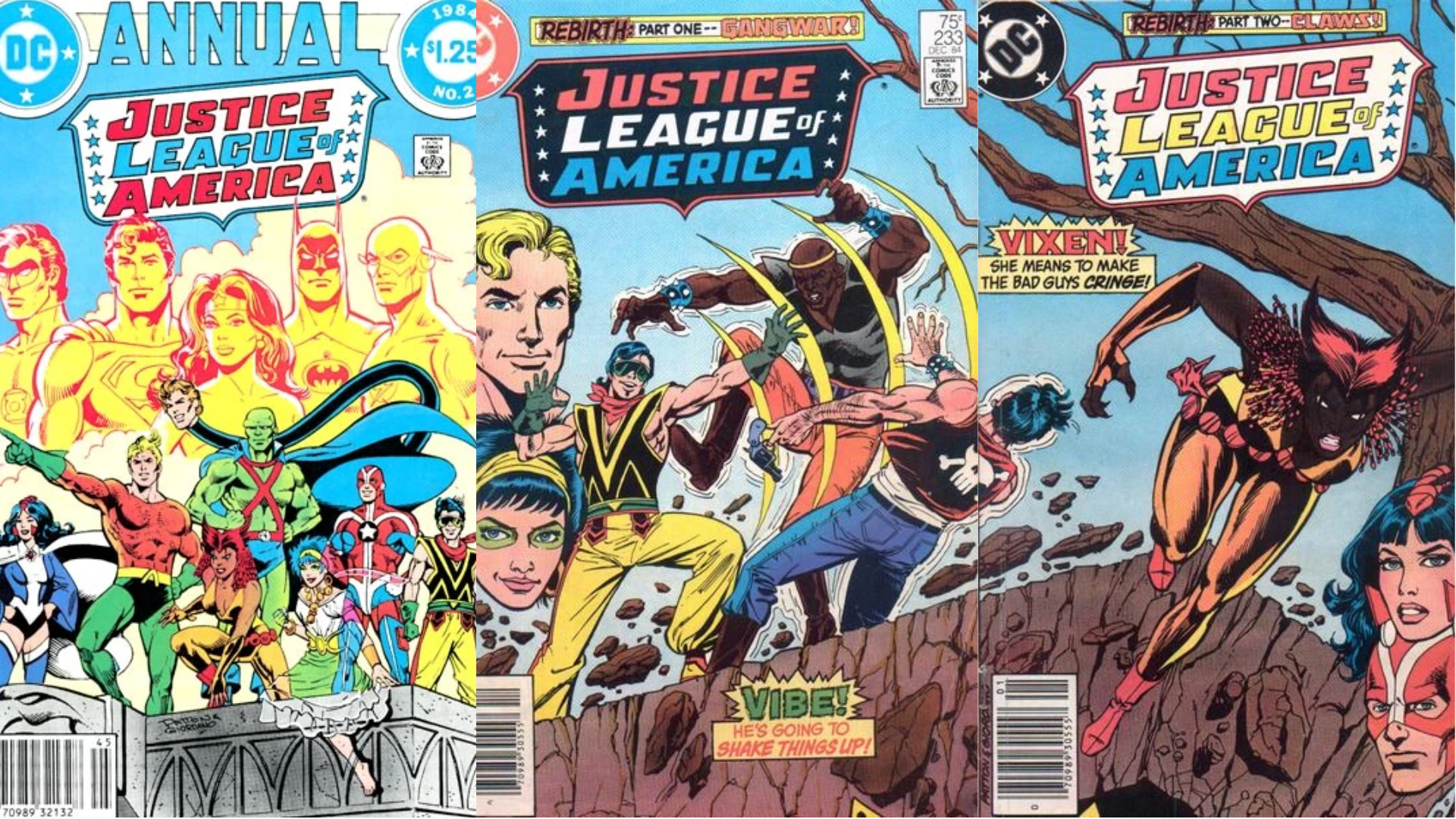
Chuck Patton: I still became a Justice League artist, and Justice League was the book I’d loved since I was a child. So I’m grateful for that.
My first year on the book was tough. People have no idea how tough, because I went in thinking I’d have some synergy with the writers, and I didn’t. I had different writers cycling through, especially those first eight issues. It was a revolving door partly because Gerry Conway was ready to leave comics around then and move into television.
I liked my first run. I got to draw the guys I grew up with: Superman, Batman, Wonder Woman, Green Arrow. That was fun, even though it got annoying, this issue we’re doing this, next issue we’re going a different way. I wanted continuity, I wanted to grow. I was a comic book fan too, and this was a book I actually cared about.
Giving Vibe a Second Chance
Matthew: Years later, you had the opportunity to revisit Vibe in animation. What was that experience like?
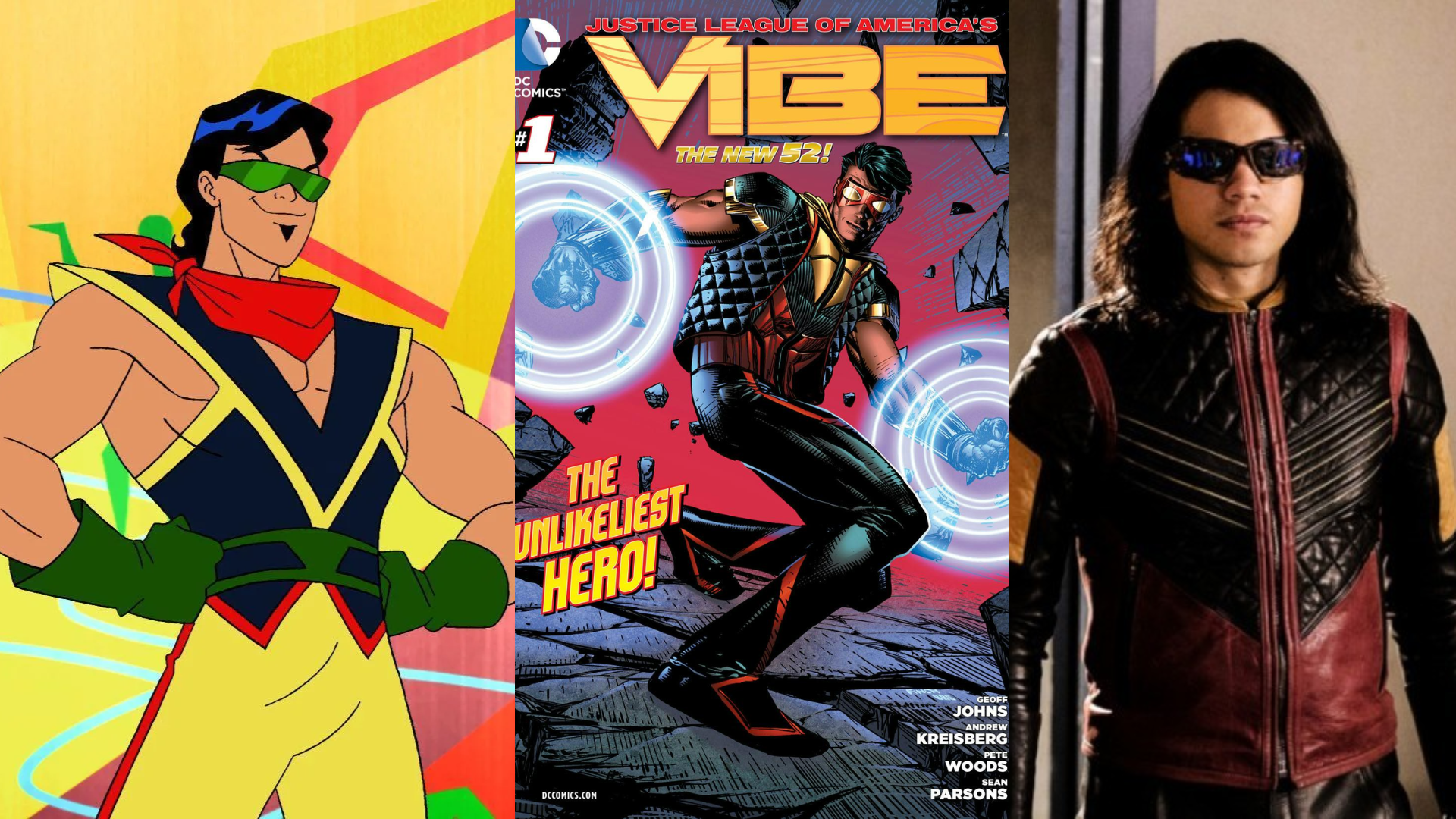
Chuck Patton: It brought me back to loving Vibe again.
Watching The Flash, I could see they genuinely loved the character. They didn’t make him a joke. They gave him the respect he deserved. In my heart of hearts, I never saw him as a joke either. Watching that, I thought, I wish we’d taken that approach from the beginning.
When Warner Brothers finally let me take a crack at the DC Nation short, I said, “Everybody looks down on Vibe. I want them to look up and have fun with him.” That became the whole approach. We leaned into the breakdancing, because animation could finally do what comics couldn’t. It wasn’t about making fun of him, it was just fun. That’s where the dance battle with Doctor Ivo came from. Ivo’s the one who killed him in the comics in the first place, so now we get a little revenge.
Warner Brothers almost didn’t want to do it. Then Geoff Johns, who was editing at DC at the time, saw the script and said, “You gotta do this, I love Vibe.” That’s what got it made. It brought back my love for the character. I’m pretty damn proud of him.
Reconnecting With Gerry Conway
Matthew: You recently reflected on Gerry Conway after his passing. What do you remember most?
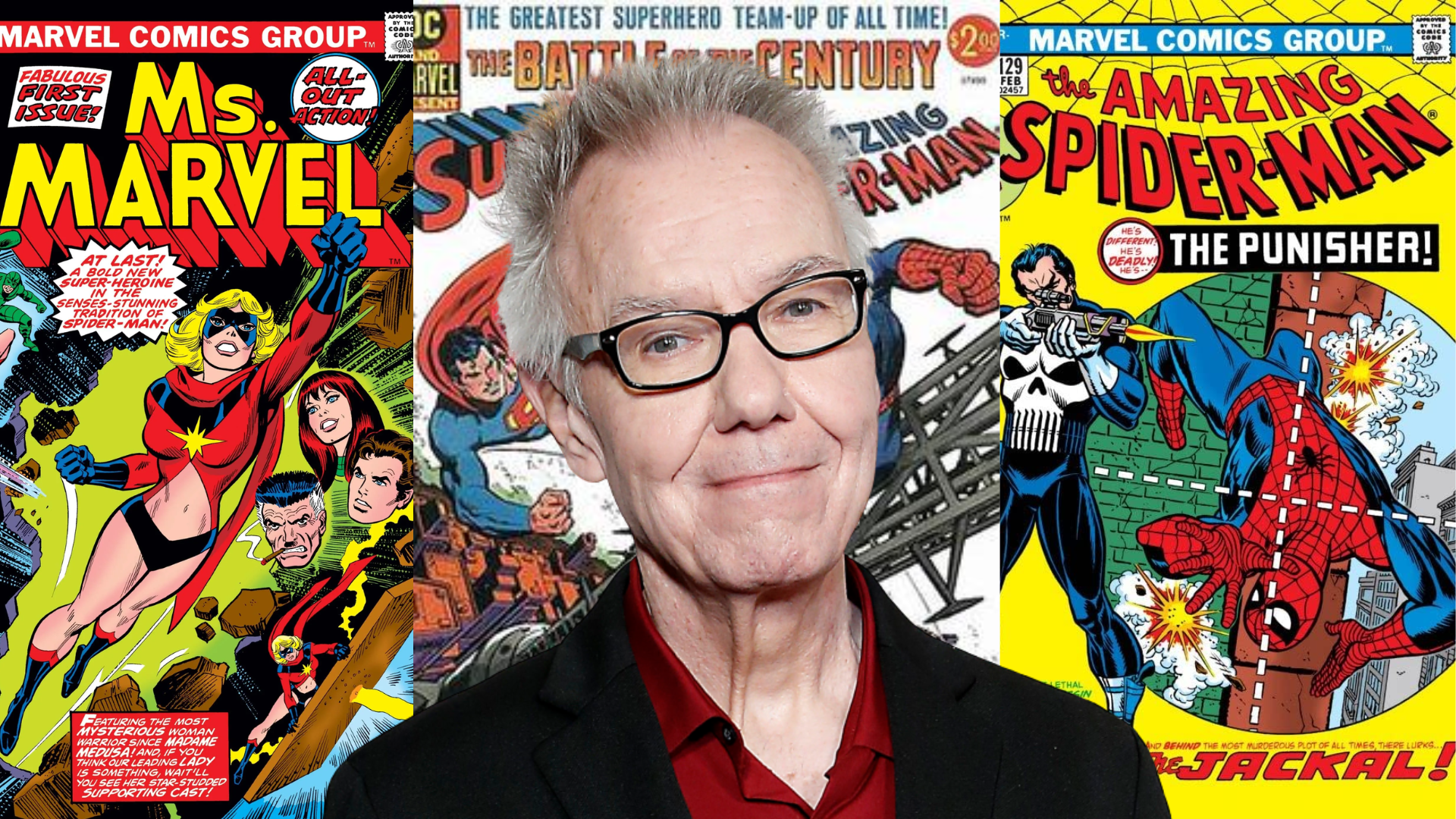
Chuck Patton: Gerry was one of the great storytellers.
When we first worked together, I was just starting out and he was at a completely different point in his career, bad timing, honestly. We talked a lot at first, and then we just stopped. It took me years to understand why. You go back and forth. You think it’s you, then you think it’s them, and eventually I realized it really was the situation, not either one of us.
Years later, his wife helped bring us back together. We were both going to be at a show, and she said, “Maybe you two should talk.” I thought, can it really be that simple? She said he’d love to talk to me, and it was. We got together, and it felt like no time had passed. We realized we’d both been carrying the same thing for years, and neither of us had ever just picked up the phone.
Near the end, Gerry reached out to a lot of people he’d worked with, because he knew he wasn’t going to be around much longer. He wanted to thank people, wanted to say goodbye. I made sure I was there for his last Reddit AMA before he passed. The first thing he said to me was, “So… this animation thing worked out for you, huh?” We both laughed. That’s how I’ll always remember him.
What Lasts
Matthew: After decades in comics and animation, what advice would you give to someone starting out?
Chuck Patton: Do it. Create. Don’t stop.
You mentioned imposter syndrome. I’ll tell you the truth, it doesn’t go away. I have it every other day. The difference is I shut it up by doing the work. I pick up something I made and look at it and go, okay, I can draw pretty good. Sometimes you need to have that conversation with yourself. It’s not about complaining on social media about why you can’t draw well. It’s sitting down and drawing until you feel like you’ve done your best work.
I remember asking Keith Pollard the same thing, back when I was twenty-one or twenty-two and knew nobody in comics. I showed him my portfolio and asked if I was good enough. He said, “You’re good, but it isn’t about being good. It’s do you want this enough.” If you want it, you’ll do whatever it takes to get the job. That’s the whole thing. Don’t worry about how good you are. It’ll get good the more you do it.
Thank You, Chuck Patton
Going into this, I admired Chuck Patton for the stuff he helped create: Justice League, Spawn, Dead Space, the list goes on. Coming out of it, I admire him just as much for how he talks about it.
Every story eventually circled back to somebody else: mentors who opened doors, collaborators who trusted him, friends who mattered long after the work wrapped. That’s not exactly the norm in an industry that loves its own mythology, and as someone still trying to build a career in comics and writing myself, it’s the part that stuck with me most.
Talent matters. Hard work matters. But so does remembering the people who carried you along the way.
Thanks to Chuck for taking the time. It was an honor, and hopefully this conversation gives you the same appreciation for the guy behind the work that it gave me.

