
It goes everywhere and nowhere all at once!
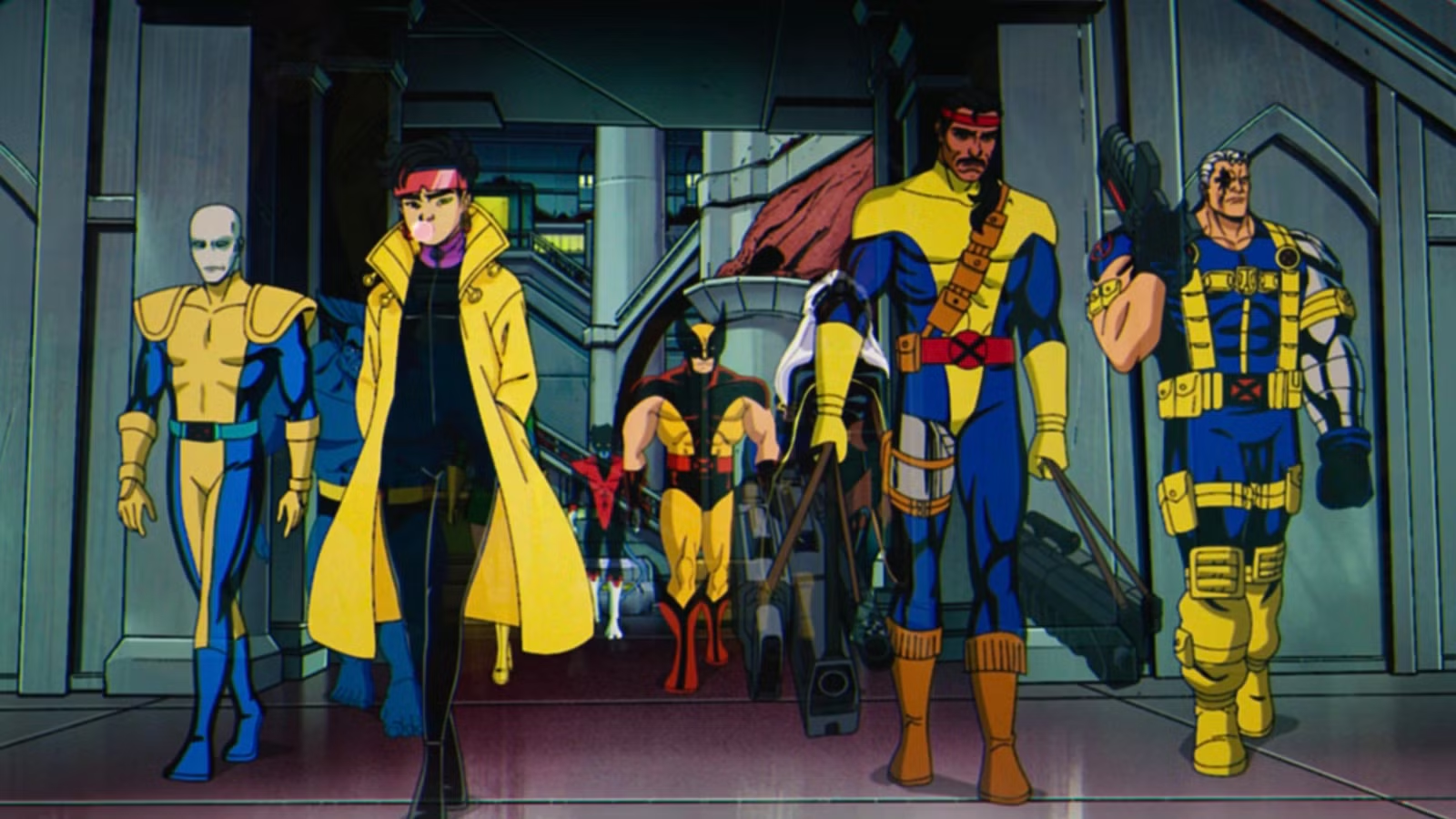
Season 2 of X-Men ’97 arrives with the confidence of a show that knows exactly why audiences came back: not simply for nostalgia, but for the rare superhero series willing to be melodramatic, political, romantic, tragic, and breathlessly comic-book strange all at once. Picking up after the team’s devastating fractures, the new season expands the canvas by scattering the X-Men across different eras while the 1990s face fresh waves of mutant intolerance in their absence.
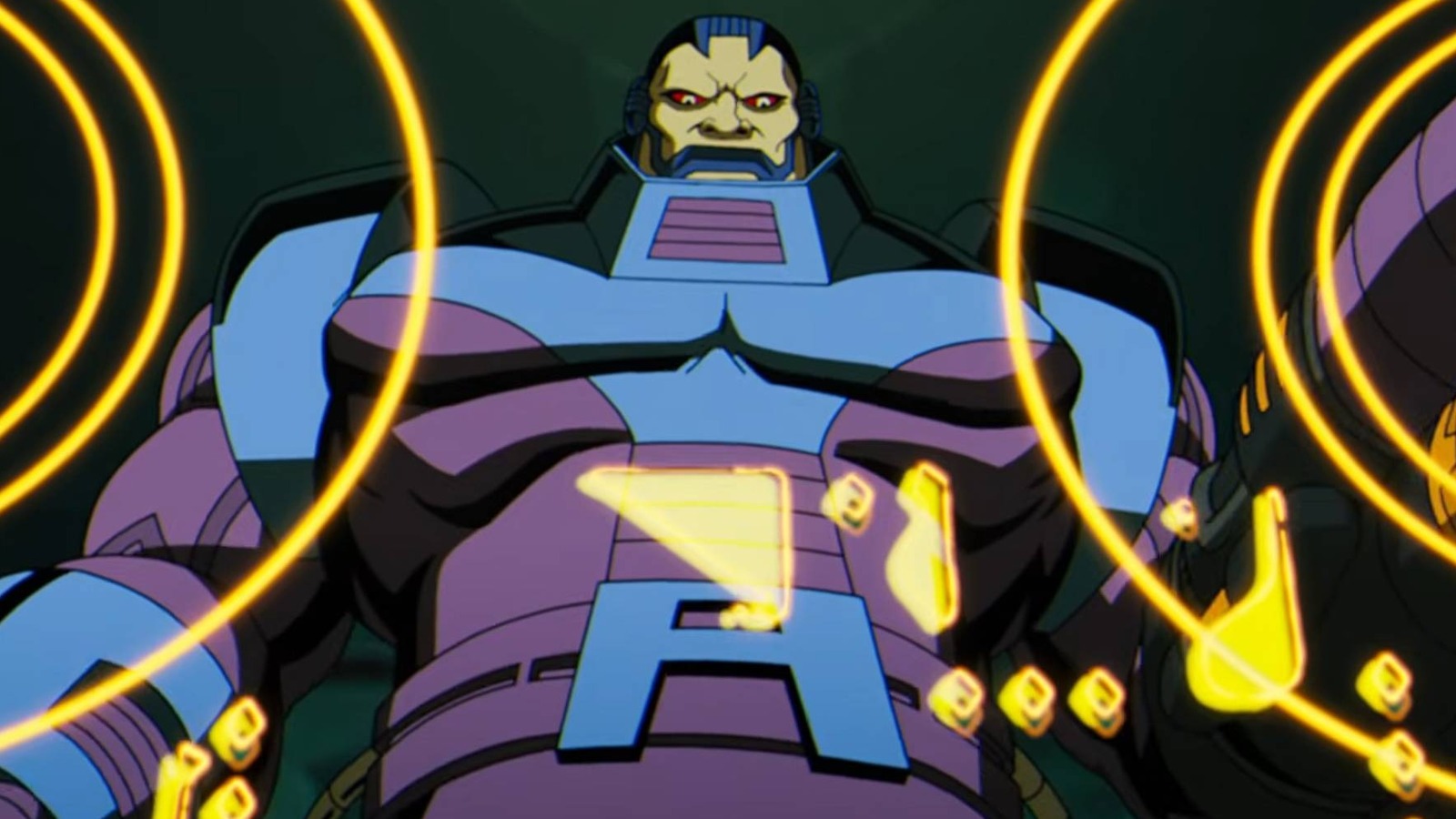
The season’s time-travel premise is both its biggest strength and its occasional weakness. At its best, the scattered-timeline structure gives the series a sweeping, event-comic energy, allowing the writers to stage mythology-heavy confrontations without losing the soap-opera intimacy that defines the X-Men. Apocalypse makes a strong central threat because he is not just powerful; he represents an ideology of ruthless survival that clashes directly with the team’s belief in community, chosen family, and protecting even a world that fears them.
Still, the pace can be almost too dense. Season 2 often feels like it is compressing several classic comic arcs into one animated season, and some emotional beats would benefit from more room to breathe. Yet even when the storytelling becomes crowded, the show’s momentum keeps it gripping rather than confusing.
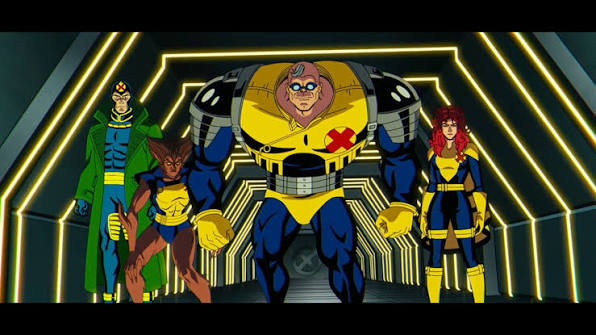
X Factor brings another interesting dynamic to the series as well as introducing characters who have yet to appear in X-Men related media.
The ensemble remains the heart of the series. Cyclops continues to feel like a leader under impossible pressure, Jean Grey brings emotional gravity to the cosmic chaos, Storm commands every scene she enters, and Rogue’s grief gives the season some of its sharpest dramatic edges. The returning voice cast leans into the heightened style without making it feel campy; the dialogue is declarative, passionate, and exactly as larger-than-life as this material needs.
The season is especially effective when it remembers that X-Men stories work best as arguments between people who care about each other. Professor X, Magneto, Cyclops, Rogue, Storm, Wolverine, and the rest are not just moving through a plot; they are testing competing ideas about power, grief, duty, and survival. That tension gives even the most spectacular battles a personal charge.
-

- Apocalypse manifested in Gambit intent on taking him as his new host body. With help from the Celestial, Rogue uses her power to purge The First One from her man.
-

- With the threat of Apocalypse over, Rogue and Gambit can finally be together.
Visually, Season 2 retains the revival’s smart balance between retro television texture and modern action staging. The character designs still evoke the original 1990s animated series, but the fight choreography, lighting, and scale feel more fluid and cinematic. The show is at its best when it embraces bold colors, exaggerated silhouettes, and comic-panel compositions rather than chasing realism. The time-hopping premise also gives the animators a welcome variety of settings, from ancient history to dystopian futures. That visual range helps the season feel less like a simple continuation and more like a genuine escalation.
What keeps X-Men ’97 from feeling like hollow fan service is its willingness to foreground the franchise’s core themes. The season uses mutant persecution, public fear, and political opportunism not as background decoration, but as the pressure system shaping every character choice. Its social allegory is not subtle, but X-Men has rarely needed subtlety to be effective. The show’s sincerity is its superpower.
Overall, X-Men ’97 Season 2 is messier than its first season, but also more ambitious. It swings for apocalyptic stakes, timeline-bending spectacle, and bruised emotional payoff, and more often than not, it connects. Some subplots rush by too quickly, and the sheer density of characters can make the season feel overstuffed, but the show’s heart remains intact. This is still superhero animation with conviction: dramatic, stylish, politically charged, and deeply in love with the X-Men as both icons and wounded people. Season 2 proves that X-Men ’97 is not just a nostalgia act. It is one of Marvel’s most emotionally engaged screen projects, and even when it strains under the weight of its own ambition, it remains thrilling television.
Rating: 4 out of 5 stars

