

One of the best things about going to MICE (Massachusetts Independent Comics Expo) every year is meeting the writers, artists, and cartoonists. MICE is not the kind of comics convention built around big franchises or celebrity spotlights — it’s creators at tables, showing the stories they made themselves. Every table feels like a discovery waiting to happen, and last year one of those discoveries was editor and writer Cassandra Jones.
Cassandra’s work includes assisting on IDW’s Star Trek line, where she helps in shaping titles like The Last Starship and Lower Decks. Her anthology Let Her Be Evil, is a dark, clever collection of stories about women who aren’t softened or redeemed — who get to be villains with full agency and sharp teeth. In this interview, Cassandra and I talk about Star Trek, villainy, anthologies, networking, self-publishing, and the three C’s that she believes every creative project needs to stand on. If you’re looking for a roadmap, a push forward, or proof that people really do make it into comics from the ground up — her story is one worth reading.
Q&A WITH CASSANDRA JONES
Stepping Into the World of Star Trek
Matthew: You’ve worked in Star Trek comics — how did that happen?
Cassandra:
When I was hired at IDW, the editor I was hired to work with — Heather Antos — runs the Star Trek line. So suddenly I was in deep. I had to get caught up really fast, and most of my weekends became Star Trek weekends. I still haven’t seen everything, so sometimes I trust Heather and the writers to fill the gaps in the lore, and I contribute what I can. Memory Alpha helps, too — and if something big comes up, we can always ask Paramount.
Matthew: Outside Trek, what else have you worked on?
Cassandra:
I’ve also worked on Monster High, which has been so much fun. It’s wildly different from Star Trek, and I like switching between tones and audiences. Riley Farmer edits that line — she’s fantastic — so it’s been a joy to bounce between worlds. I’m also cooking up some original titles forthcoming in 2027.
Matthew: A lot of readers might not know how you got started. What was your path into comics?
Cassandra:
I came from the book world. I worked in YA trade publishing — horror, sci-fi — and freelanced on the side. I knew I loved comics, so I started doing what you’re doing now: informational interviews. I talked to a lot of people, and they all pointed me toward someone named Heather Antos. We met, and she asked if I wanted to be her mentee. I said yes! and asked her how she got started. She told me she created an anthology. So I thought: Why reinvent the wheel? Anthologies let you meet writers, artists, and editors. That became Let Her Be Evil, and off the back of that, IDW hired me. It happened fast, but I’ve been working in publishing for nearly a decade now.
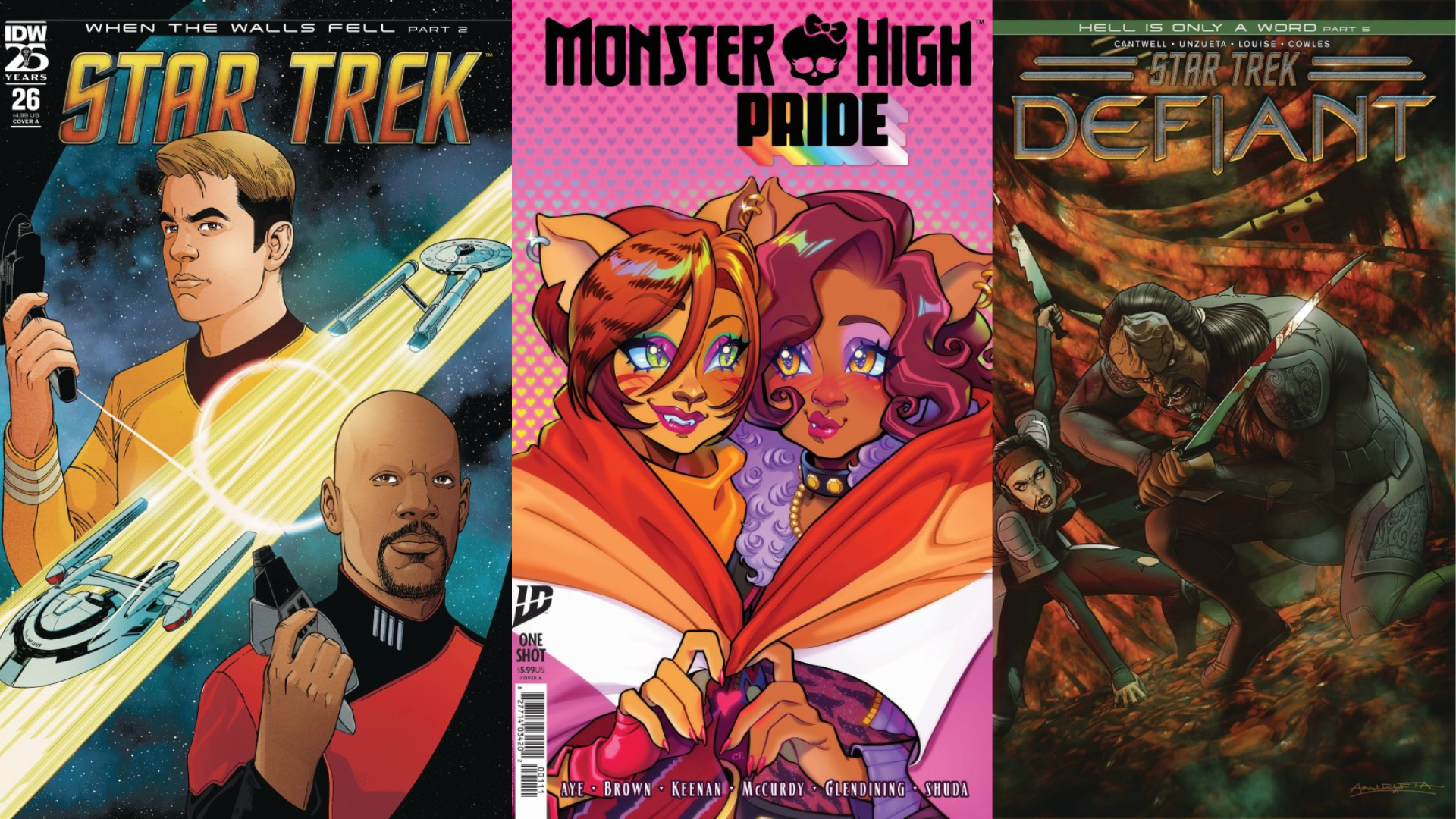
JUST A FEW COMICS THAT CASSANDRA HAS WORKED ON.
Finding Her Voice Through Anthologies And Influences
Matthew: Who inspires you creatively?
Cassandra:
Neal Stephenson is a big one. Stephen King, too. Robin Hobb. Fujimoto. But I think you become an amalgamation of everything you read — it’s hard to point to just one idol. I love stories that take a left turn when you least expect it. Let Her Be Evil came from that urge to push perspective, to find what’s weird, what’s fresh, what angle hasn’t been explored yet.
Matthew: Tell us about the experience of making your anthology.
Cassandra:
Overwhelming — in the best way. I learned so much from everyone involved: project management, crowdfunding, marketing, logistics. The response was bigger than I expected, and incredibly rewarding. We even were nominated for an Ignatz Award!
Matthew: And what’s the concept behind it?
Cassandra:
It’s stories about women being unapologetically evil. In media, female villains often get softened — explained away by trauma or tragedy. But women can be complex, self-driven, morally chaotic characters without needing justification. We have a story where a girl kills her terminally ill brother so she can use the inheritance to become an astronaut. Another where a woman goes to heaven and kills God so she can get her dog back. Every story explores a different angle on female agency through villainy.
What’s Next: New Projects and Dream Collaborators
Matthew: Are you working on something new now?
Cassandra:
Yes, a graphic novel. I finished the script in November, and now I’m assembling the pitch. I can’t say much yet, but James Fenner — who did the red and blue Let Her Be Evil cover — is the artist. We vibe creatively, and I think what we’ve made is something special. I hope someone picks it up.
Matthew: You’ve worked with so many great creators. Who stands out?
Cassandra:
Jackson Lanzing and Collin Kelly — they write Star Trek and Marvel’s NYX. Chris Cantwell on Defiant. Jackie Ayes on Monster High. A ton of artists — Megan Levens, Adrián Bonilla — honestly too many to list. They’re all wonderful.
Matthew: And dream collaborators?
Cassandra:
Kelly Sue DeConnick and Jody Houser. Bitch Planet is huge for me, and Jody is brilliant with adaptation — especially Assassin’s Apprentice. I’d love to build something with them one day.
Breaking In: From Mentorship to IDW
Matthew: So how did IDW become home for you?
Cassandra:
I was mentoring under Heather while I made Let Her Be Evil. When a job at IDW opened, I applied, interviewed through multiple rounds, and got it. It really did come from work I made independently.
Matthew: For people like me still at the beginning — what advice would you give?
Cassandra:
Make comics. Make art. Write things. People wait for permission — don’t. If you have to Kickstart it, Kickstart it. If you want to draw, draw. If you want to write, write. Build your portfolio so when someone asks what you’ve done, you have something.
Matthew: And for crowdfunding specifically?
Cassandra:
Think about the three C’s: Character. Concept. Creator. Comics sell because of one of those pillars. Spider-Man sells because he’s Spider-Man. Let Her Be Evil sold because the concept was strong. Some books sell because readers follow the creator. Figure out which C you’re working with — ideally you have at least two– then build your messaging around that.
Opening Doors: Practical Tips For Starting A Comics Career
Matthew: Finally, what’s your advice for finding work inside the industry?
Cassandra:
Check Publishers Lunch — it’s part of Publishers Marketplace. It’s one of the best places to find current publishing jobs. And keep talking to people. Informational interviews matter. Sometimes you’re not asking for a job — you’re just building a network. And the more people you know, the more doors can open.
Lessons Learned From Cassandra Jones
It was so inspiring to meet Cassandra. I’m grateful she took the time to share her career experience with me and all of you. Cassandra built an anthology, found mentors, entered a franchise as deep as Star Trek, and is already writing her first graphic novel. She’s proof that careers in comics don’t begin at the top — they begin with curiosity, community, one conversation, one project, and one page at a time.
If Let Her Be Evil is only the beginning of her orbit, I can’t wait to see what she creates next.
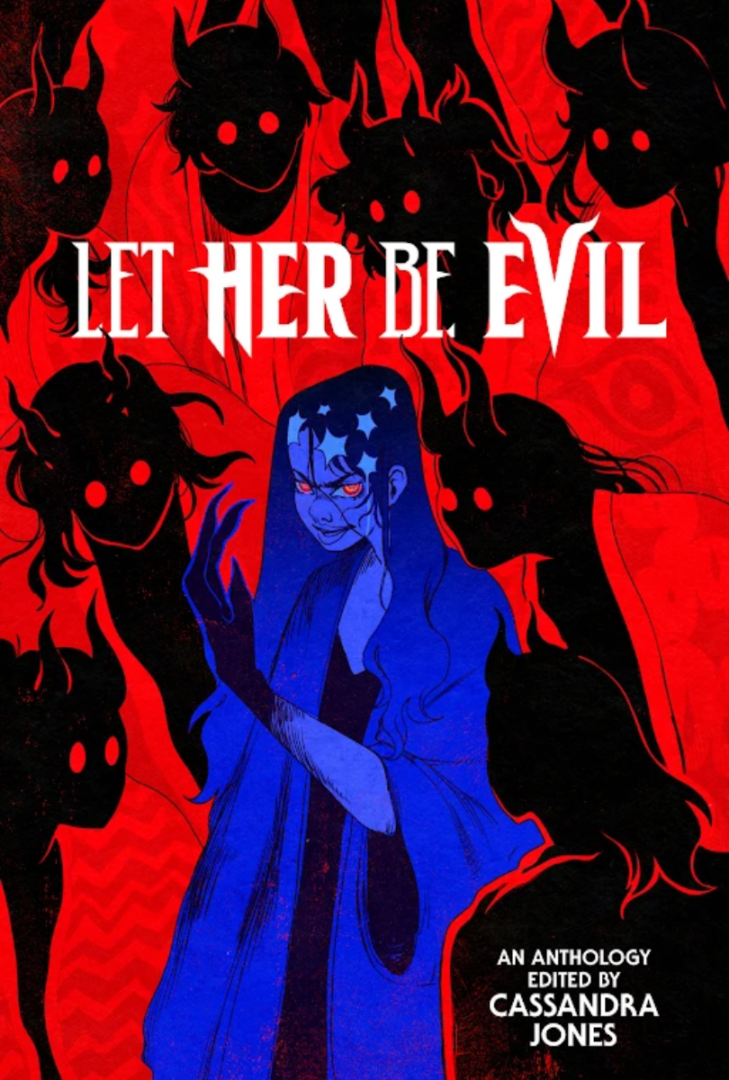
BUY AND READ LET THERE BE EVIL, AN ANTHOLOGY EDITED BY CASSANDRA JONES

