

Ladies and gents, give a warm welcome to Pharaohmone, in our COSPLAY SPOTLIGHT!!!!!
Why do you cosplay?
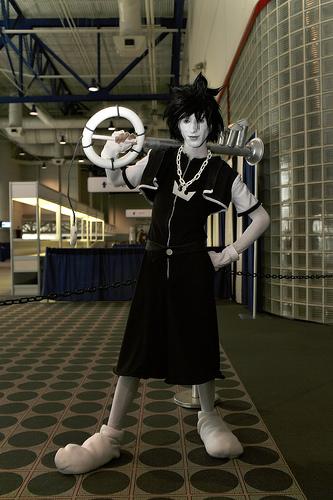
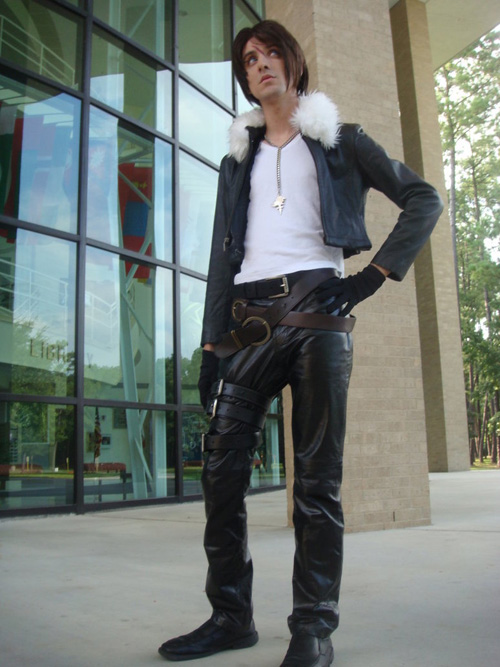
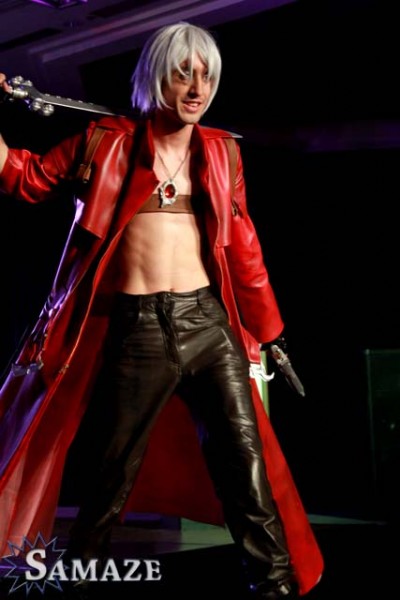
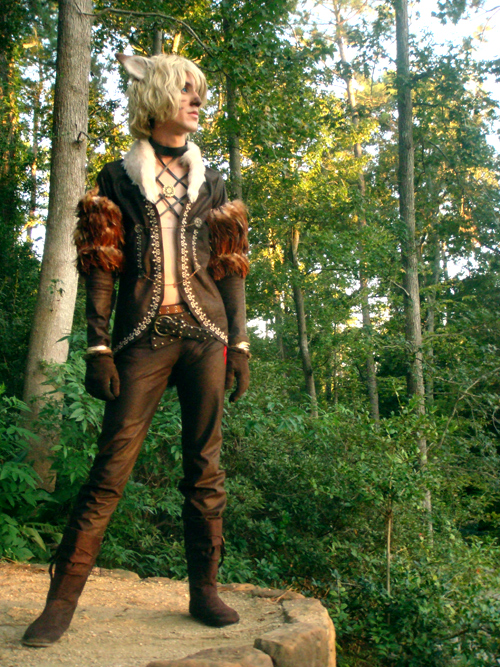
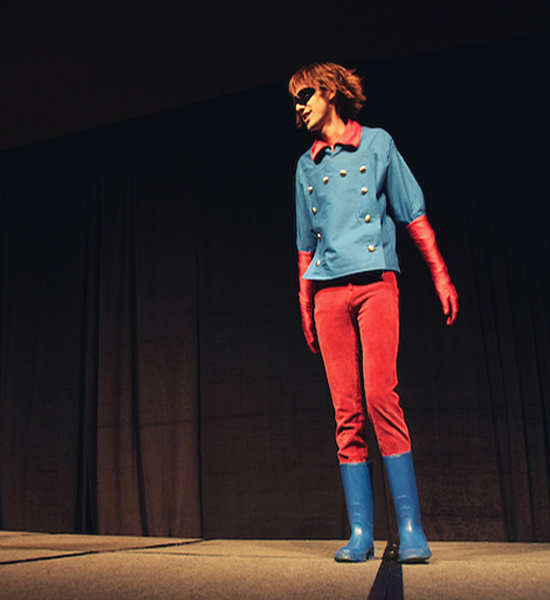
For the same reasons that comic book fans get excited when their favorite characters cross the silver screen, I have always loved recreating classic scenes and characters that haven’t been fleshed out to their fullest potential. This is especially true for obscure characters that don’t receive a lot of attention, or designs that came from older video games where you had to squint at the pixels to figure out what was going on. My favorite experience was at Dragon*Con a few years ago before Captain America came into the limelight, and an elder gentleman recognized me as Bucky, saying “You jumped right out of my childhood! I haven’t seen you in years.” It wasn’t my most elaborate design, but sharing and creating moments like that is an absolutely wonderful experience as a performance artist.
What was your first cosplay?
Do you make your own cosplay costumes, if so, which ones, and how long does an average costume take to make?
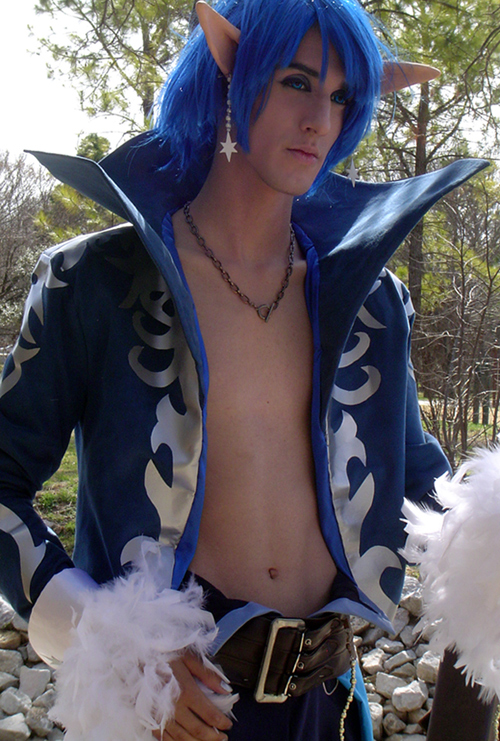
I make everything, and as a result of such I’ve been my own test-subject for a lot of experimental techniques. In terms of lengths, I usually tackle projects in long multi-day sessions rather than picking at them a little at a time. This can make for a few sleepless nights, but ultimately yield the finished project within the constraints of my schedule. And while mistakes make for great campfire stories, the experience has also helped shape the panels I give on costume construction. I don’t know about you, but I find it very hard to connect with an audience if you’re telling them they have to spend a million dollars on the finest metals in the universe if they want their costume to be considered up to snuff. Accordingly, I’ve always approached panels practically, trying to divulge as many secrets and techniques I can involving wig-styling, seamwork, and other advanced methods while still making them approachable. Most recently, I’ve been giving demonstrations at conventions on a portable form of vacuforming that avoids the use of an oven. Home vacuforming typically involves using an oven to evenly heat plastic which must be quickly dropped on top of your vacuforming “table” (a fancy word for a box with holes in it strapped to a vacuum) to copy your target shape. In my demonstrations, I’ve shown methods using a heat gun that give you all the detail without all the hassle. It’s one thing to talk about how you go about making a costume for an hour, but it’s a whole other experience watching attendees crowd around you as you melt plastic into shapes without the use of gloves, goggles, or protective eye-wear. Showing people that costuming can be approachable is extremely important, because there are many folks who might otherwise feel overwhelmed and forego making a costume of their own.
What is your favorite character to play?
Amongst animation, comics, movies, or video games, what is your biggest inspiration for cosplay?
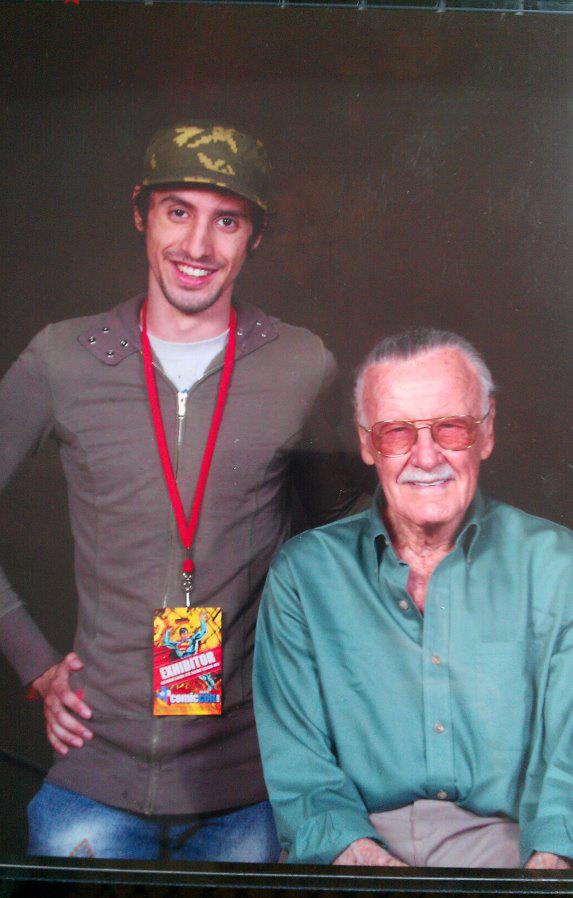
I think the one picture below that’s out of costume spells out my inspirations perfectly. Stan Lee, like me, is just another skinny kid from New York who was just creating art without any dreams of notoriety. And that said, what I’ve done doesn’t raise me to any different level than my convention-going peers. Maybe I might have had more time to work on a particular costume, or maybe I was in a better position to gather certain materials, but a first-time costumer who put together his favorite hero’s outfit is going to have a great time and make just as much of an impact on fellow fans of the series.
Have you ever made any mistakes that you’d warn a first timer about?
While it’s important to avoid electrocuting or melting your own body, I think time management is an even more important topic to cover with new costumers. The stress associated with meeting your own costuming deadlines should be recognized as self-imposed. It is perfectly alright to put that costume off until the next event if you didn’t have time to finish it for this weekend. And it doesn’t matter what other people think of your outfit, as long as you are happy. If you don’t feel ready to debut those new duds? Keep them in the closet until the next convention and go have fun! Also, for those who are really trying to push themselves to the next level, I think it’s important to remind people about the way the human brain works. If you take a look at a cloud, a car, or even the moon, what are you inclined to see? Faces! For that reason, the first thing many people will see when they give you the once over is your face. You’ll get amazing results from your costume if you take the time to work on cosmetic essentials like wig-styling, proper make-up application, and the use of color contacts where appropriate.
Are there certain characters that are easier to play than others?
I think everyone is attracted to a design or character that is naturally similar to them. I’m going to have a hard-time convincing anyone that I’m the Incredible Hulk. That said, it’s also a lot of fun to push past your boundaries with a little creative thinking! A costumer, whether new or old, should never feel limited by their natural physical features or skill level. Putting in the time and working with what you have always yields the best results, and that’s the message I’ll continue to carry as long as there’s thread in my needle.




Check out more of Pharaohmone here:

